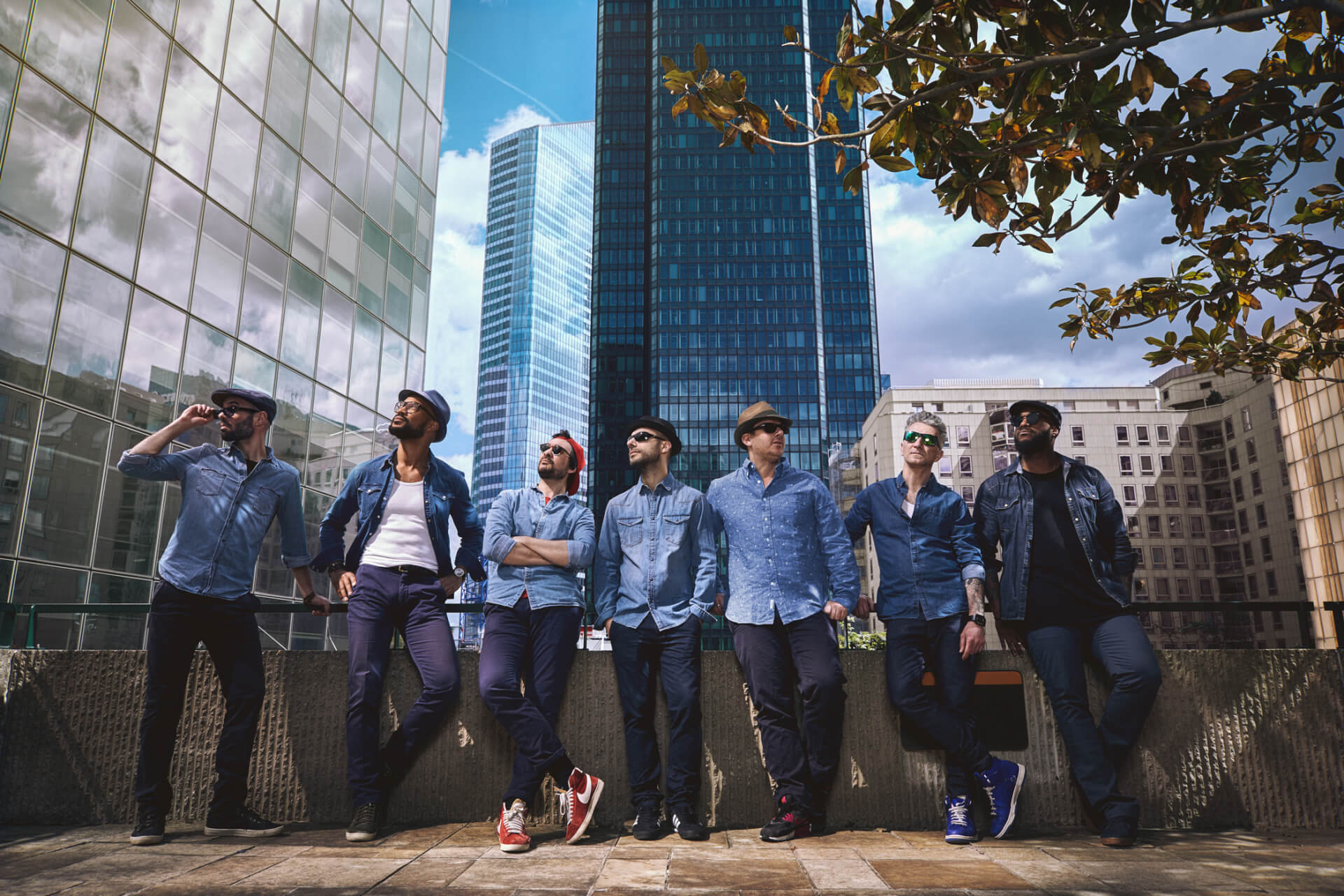
©Anthony Passant
Main Live Performances
NYC BRONX SUMMERSTAGE / AMSTERDAM PARADISO (Erykah Badu After shows) / JAZZ À JUAN LES PINS FRANCE / GETAFE MADRID CULTURA INQUIETA / LONDON RONNIE’S SCOTT / GALWAY HAVANA CLUB FEST IRELAND / NUBIA PARIS / KAUNAZ JAZZ FESTIVAL LITUANIA / TEMPO LATINO FR / STOCKHOLM NALEN SELAM / MADRID BLACK IS BACK FEST / JAZZ MIX VIENNE FRANCE / FIEST’A SETE FRANCE / OTTER TROTTER FEST BELGIUM / BANLIEUES BLEUES PARIS / PELOUSES SONORES STRASBOURG / NEW MORNING PARIS (Roy Ayers opening) / NUBLU NYC
WE ARE SETENTA
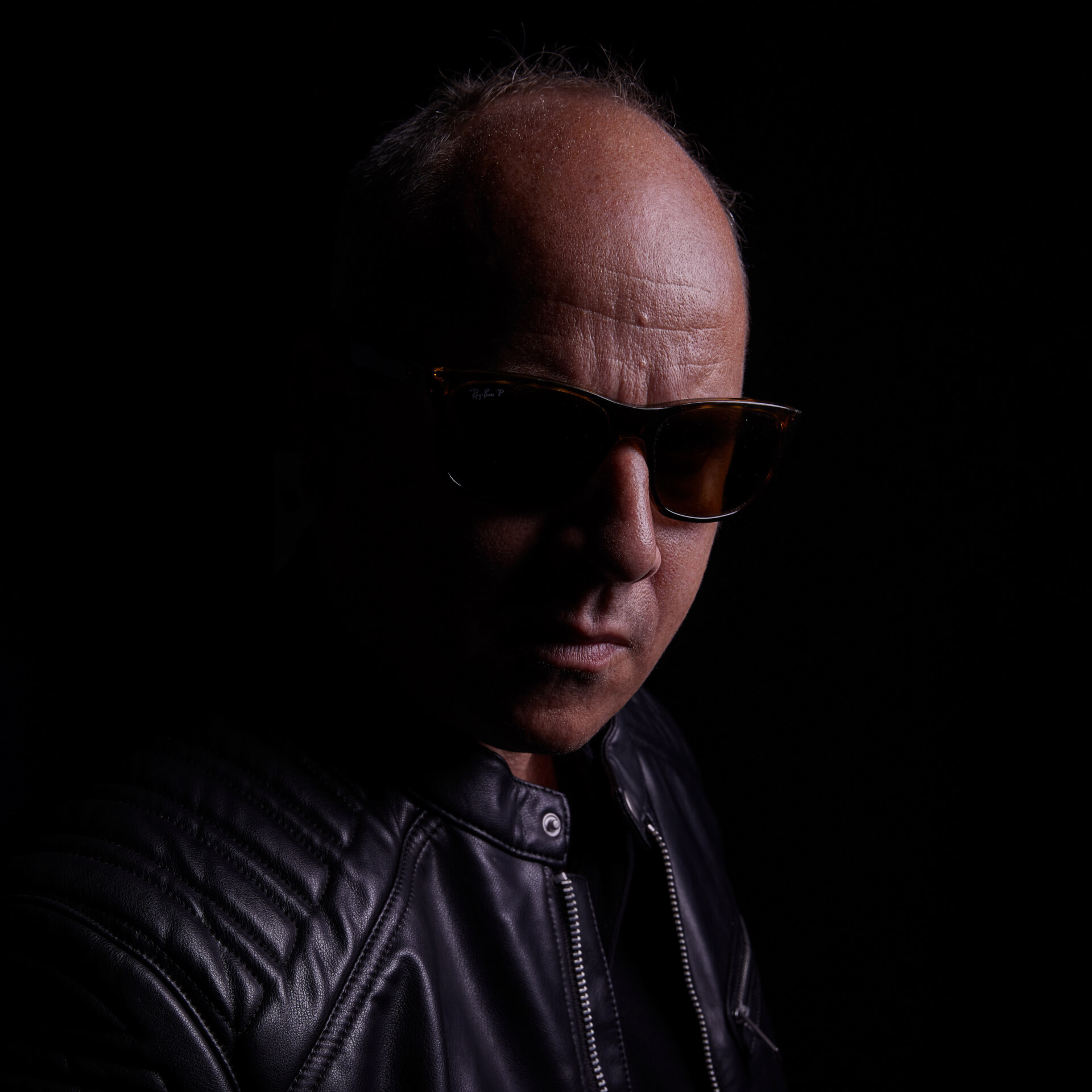
Florian Pelissier
Claviers, Musicien
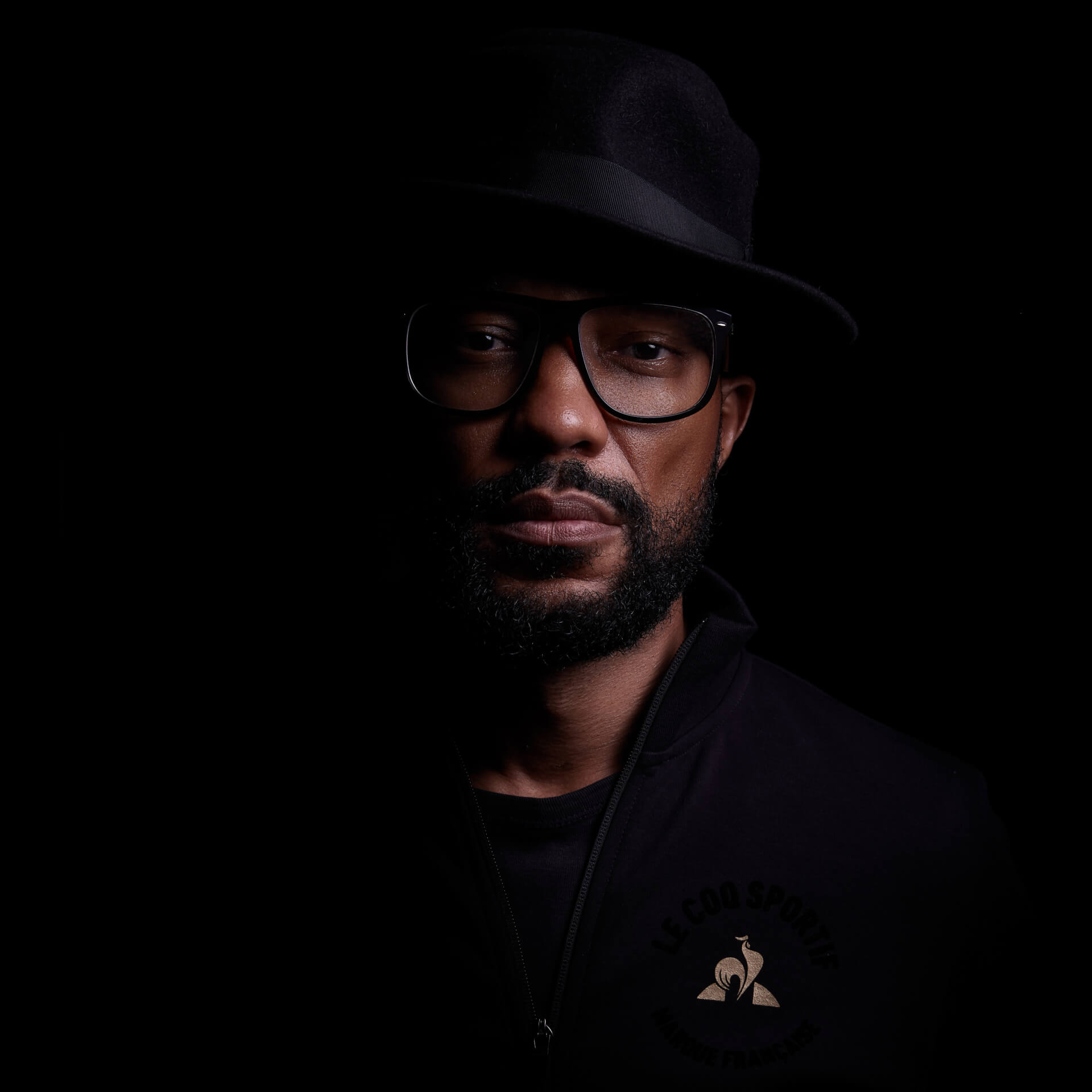
Osman Jr
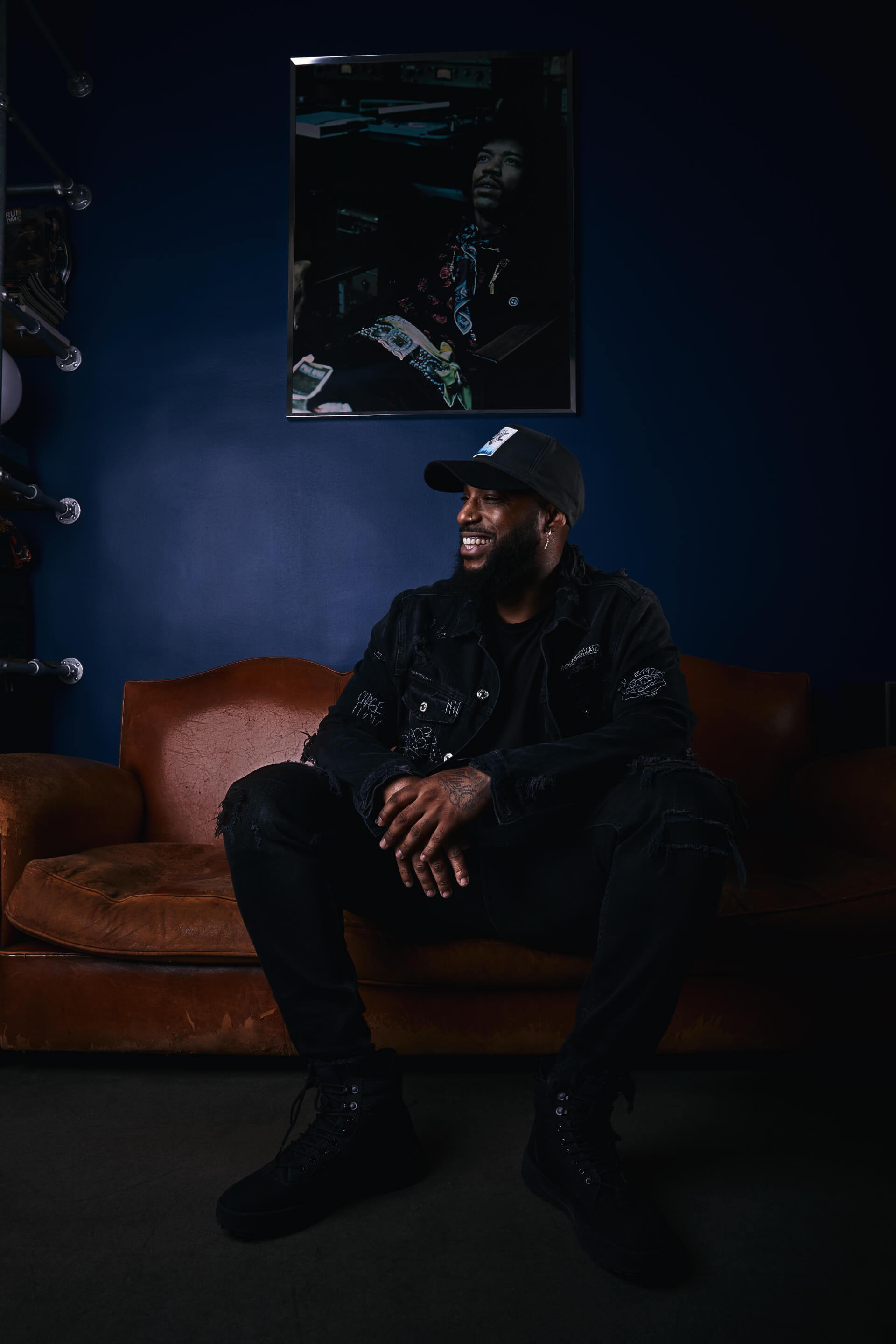
Chanteur, Musicien, Percussionniste
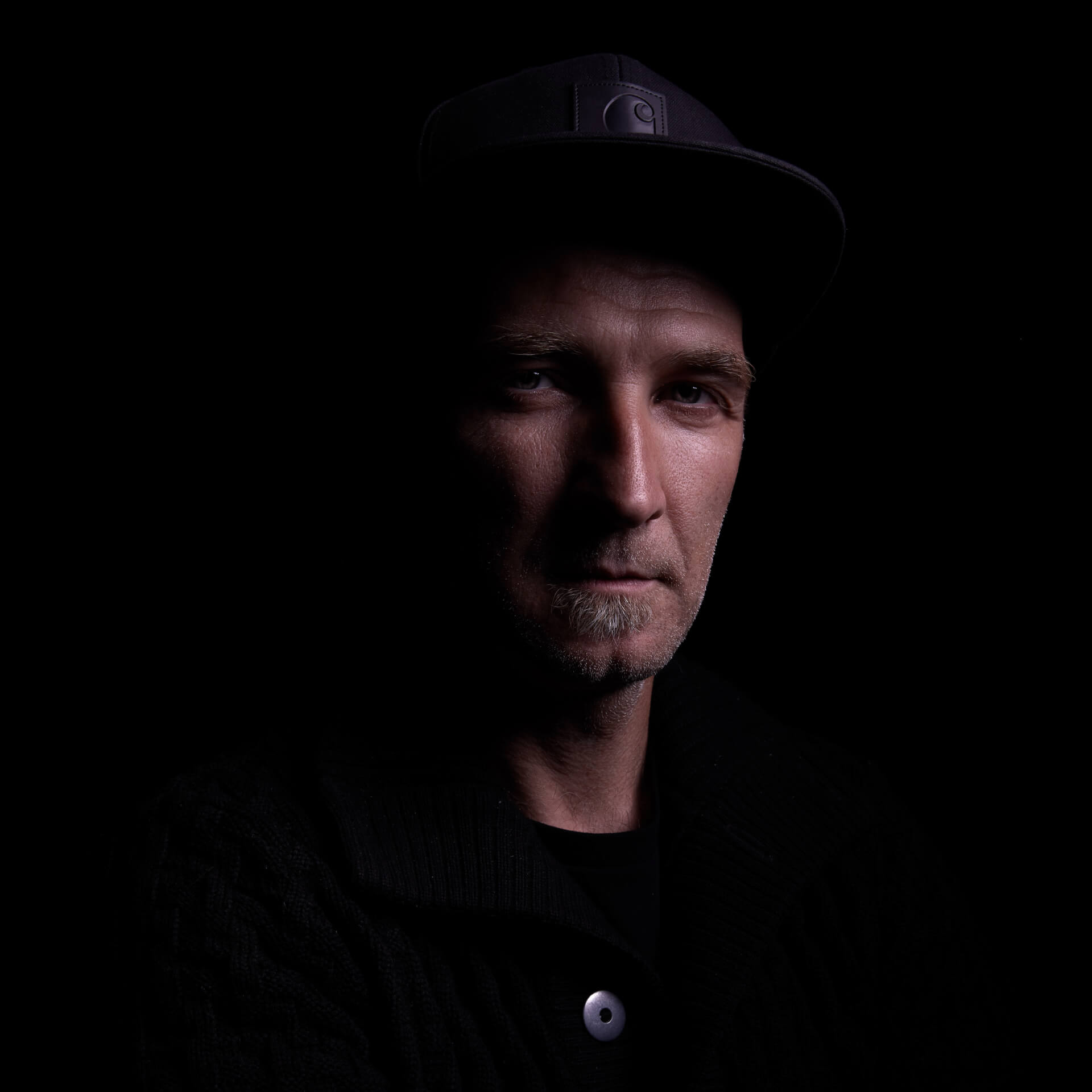
Fabien Hily
Musicien
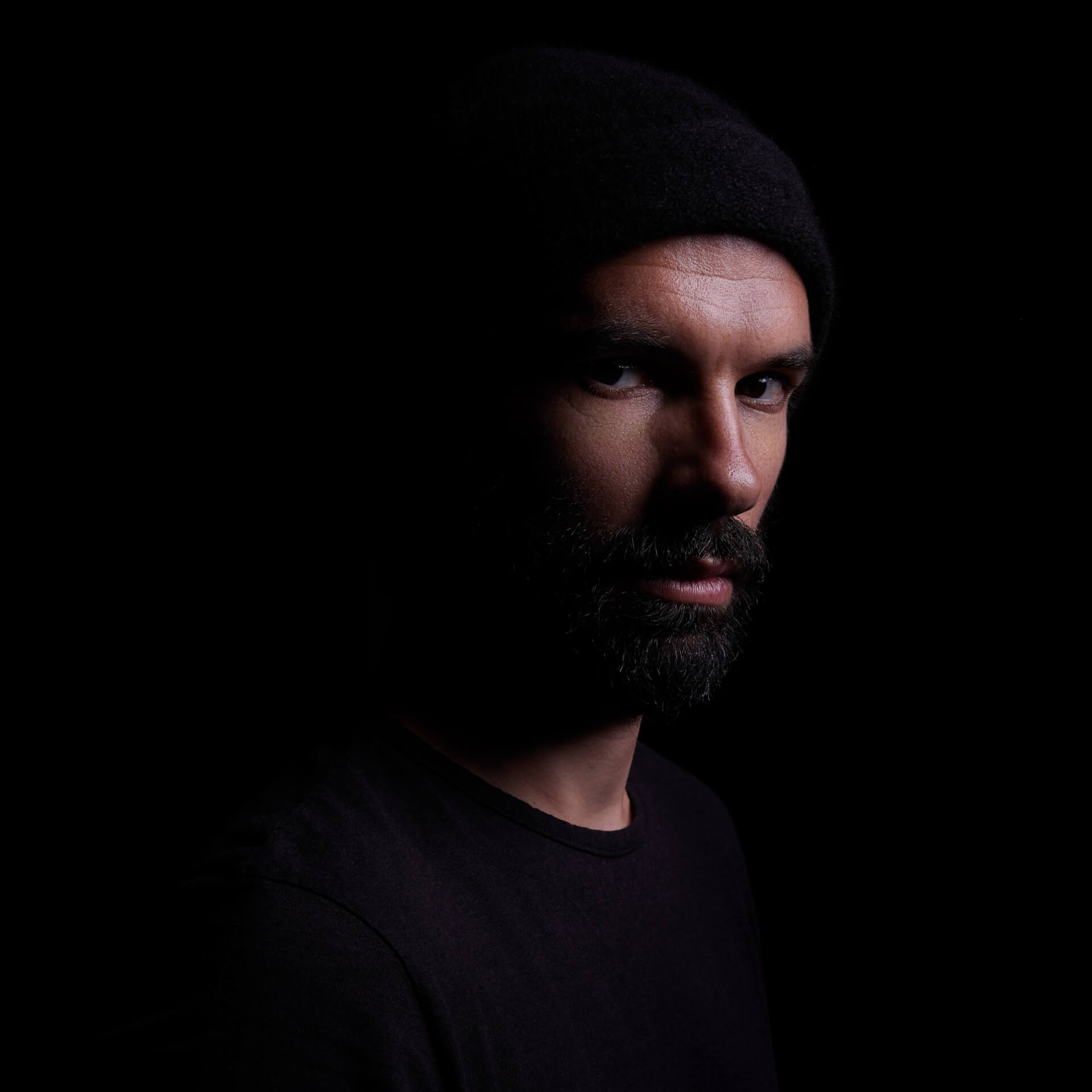
Laurent Guillet
Musicien
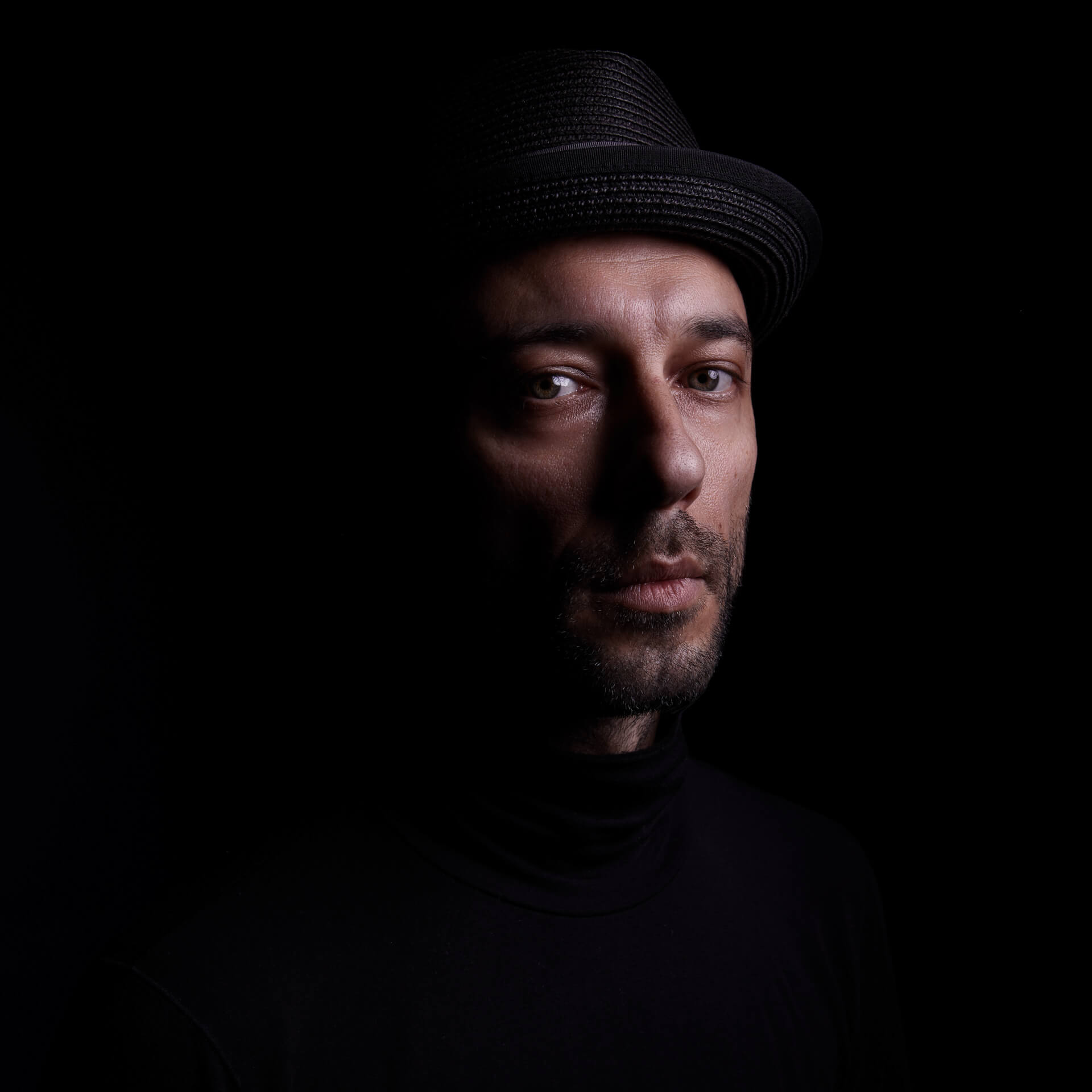
Tchoubine Colin
Chanteur, Musicien, Percussionniste
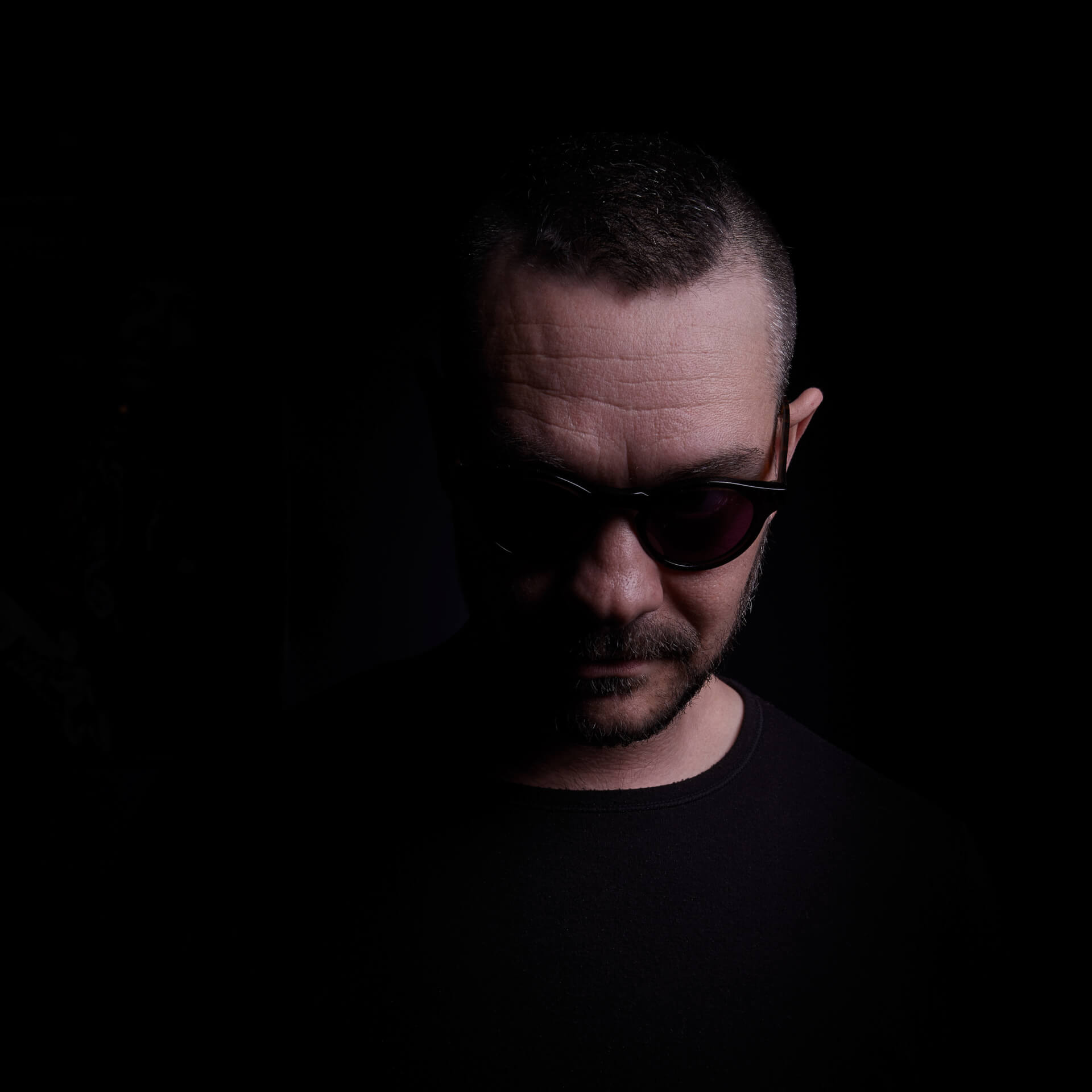
Virgile Raffaelli
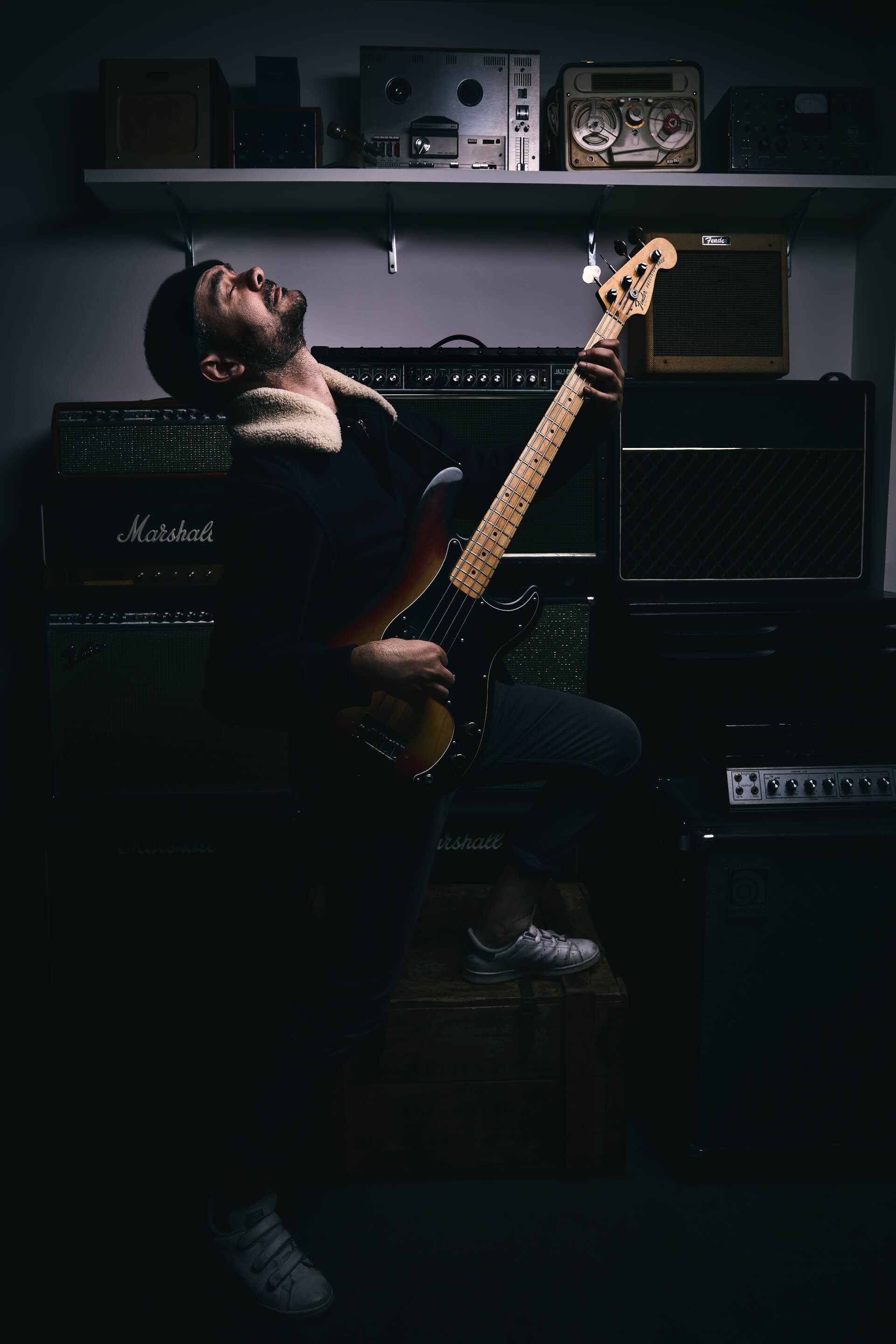
Bassiste, Musicien
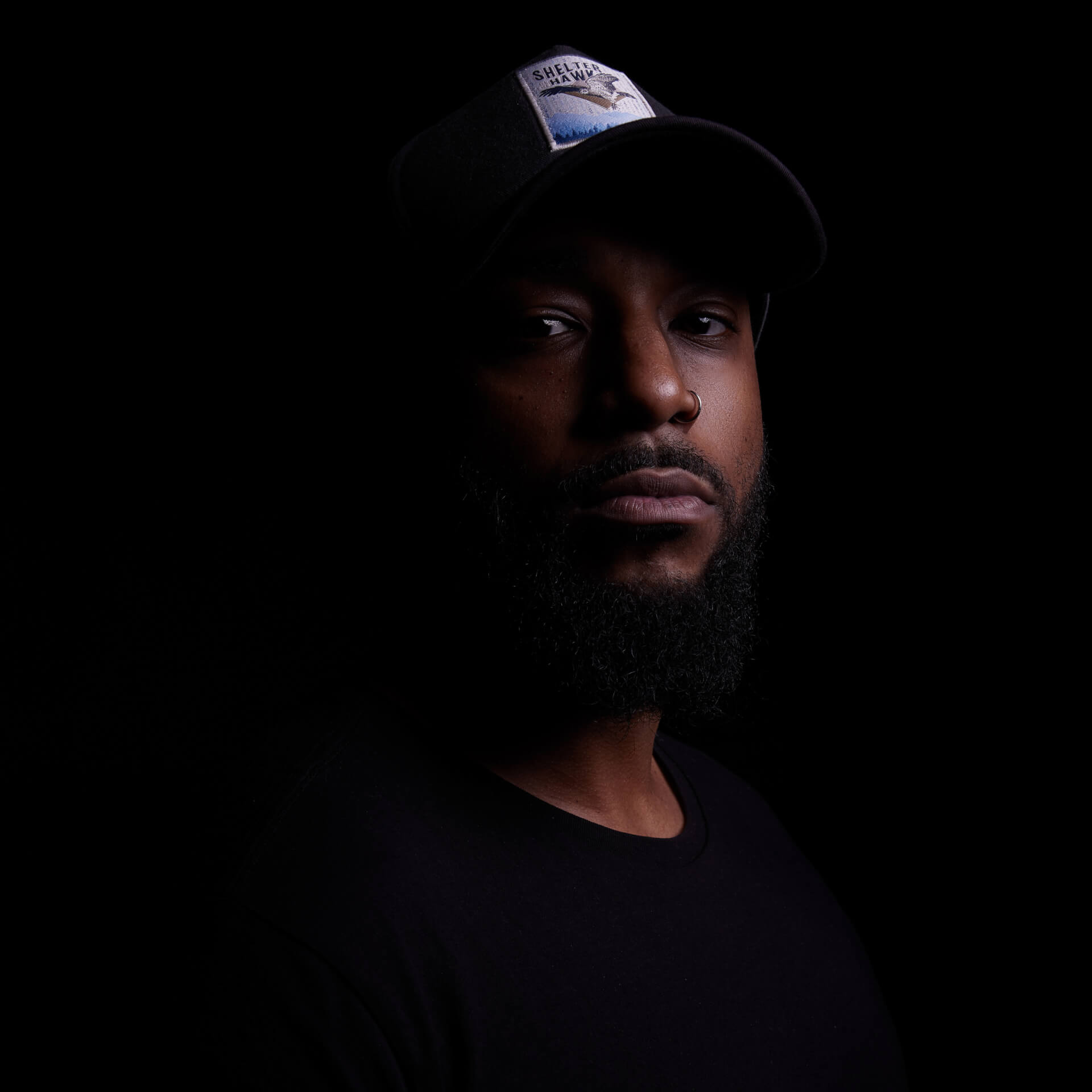
Mathieu Edward
Batteur, Musicien
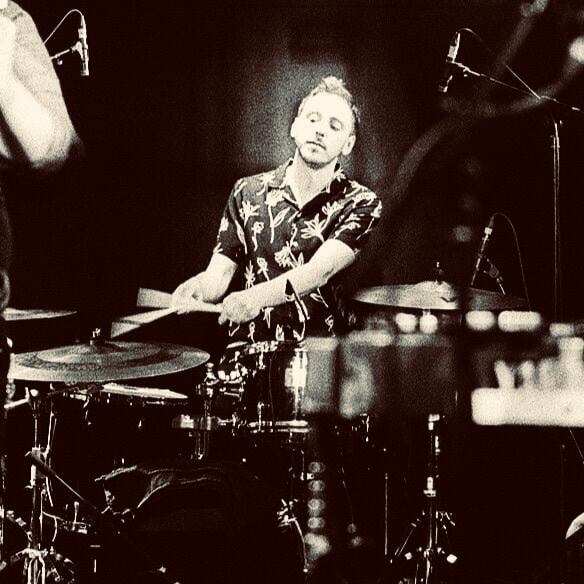
Octave Ducasse
Drums
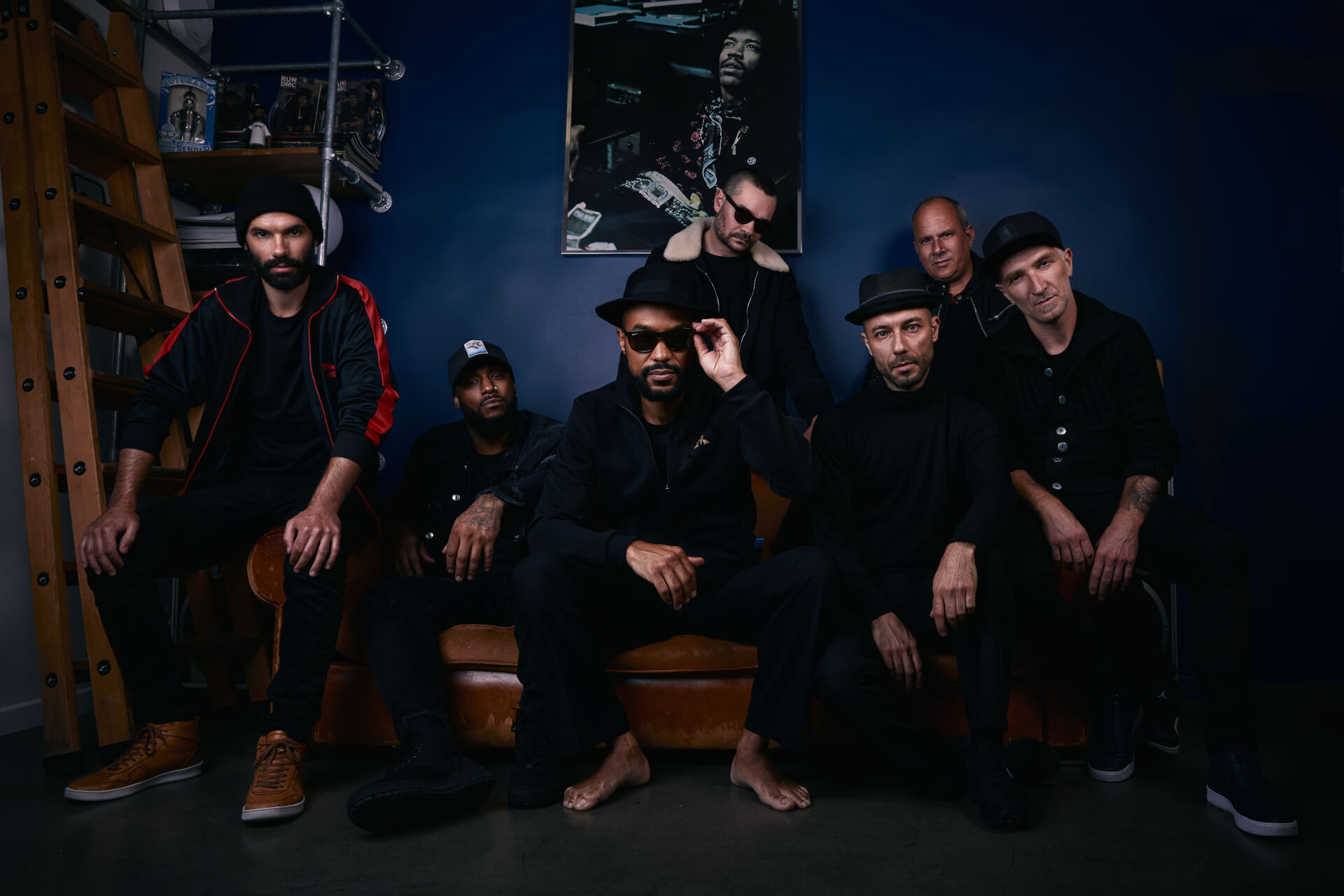
APOLLO SOLAR DRIVE
10, 9, 8, 7, 6… the countdown to blastoff has started! Paris-based band Setenta is preparing for their upcoming 20th anniversary by releasing their sixth album, Apollo Solar Drive. The record is poised to be their best yet and is the culmination of an odyssey of artistic discovery. Setenta has been constantly striving for illumination through the years, yet also exploring the dark side of the human condition along the way. As the band describes it, this record is an Afro-Latin retro-futurist tribute to the sun. If their previous album, Materia Negra, launched the Setenta space shuttle crew into the void of “dark” matter and black holes, they now change course and valiantly approach the sun at full warp speed, taking us from darkness into the light. Miraculously, Setenta manage to bring some of the rhythmic and harmonic material they’ve explored on Earth with them, yet boldly dare to go where no one has gone before, challenging themselves to take their music, and their audience, to uncharted dimensions and new realms of existence. Props must go to the band for their exceptional longevity as a cohesive group, with a line-up that has remained essentially the same since its inception in 2006, with five core team members present since day one (with the others remaining in the general crew as allies and friends). Staying the course and navigating for the long haul has allowed them to remain one of the most important Latin Funk cosmonauts on the international scene over the decades, with more than 12 million listens on music platforms worldwide.
Throughout this fertile and creative period of almost twenty years, Setenta has been able to maintain a fiercely independent approach to their craft, sustained by their structural integrity, fortitude of spirit, belief in themselves and the love of their steadily expanding fanbase, but also crucially supported by two French independent record labels. Hot Casa Records, at the time just starting out, released the band’s first two albums, the highly regarded debut Funky Tumbao (2010) and its feisty followup, Latin Piece of Soul (2013), putting the Setenta crew on the map and turning heads from Paris to New York, especially with the genius Latin bugalú rendition of Nirvana’s classic, “Smells Like Teen Spirit”. Then, perhaps even more boldly, in 2015 the band became a completely self-sustaining entity when the Setenta crew’s captain, Osman Jr., purposely created Latin Big Note (both a brand and label) in order to continue to release and promote Setenta’s productions without compromise, from within. Their third effort and debut for Latin Big Note, Paris to Nueva York (2016), featured a guest appearance by a major inspiration for the band, the legendary “King Of Latin Soul”, Joe Bataan. Additionally, the record yielded their most popular hit to date, the sexy French language tune, “Madame Shingaling”. Next up, We Latin Like That (2018), continued their fusion of jazz, Santería, soul, funk and Afro-Caribbean influences, with an emphasis on spirituality and groove. Subsequently, their fifth opus, Materia Negra, was hailed by FIP (Radio France) as a favorite selection in 2020.
Throughout their journey, Setenta maintained a busy touring schedule, playing many important festivals and sharing the stage with their hero Joe Bataan, as well as working in the studio with iconic New York DJ/Producer, Joaquin “Joe” Claussell, who graced the band with a “Sacred Rhythm De La Calle” version of the track “El Bad Boy”, taken from the Materia Negra album. As previously mentioned, in keeping with the themes of Materia Negra, Setenta’s sixth mission to explore “the great beyond” of “inner space” is aptly titled Apollo Solar Drive, emphasizing the band’s turning to the life-giving light of the sun for inspiration while playfully echoing the title of Eddie Palmieri’s Latin funk and social commentary masterpiece, Harlem River Drive. The overall vibe is warm and positive, propelled by the dual energy thrusters of funky, fierce beats and deceptively complex arrangements, yet going down smooth in the best sense of the word, like your favorite tropical cocktail or classic jazz dance fusion record of the 1970s. Of course, this delicious treat is served with a special Setenta flavor all its own.
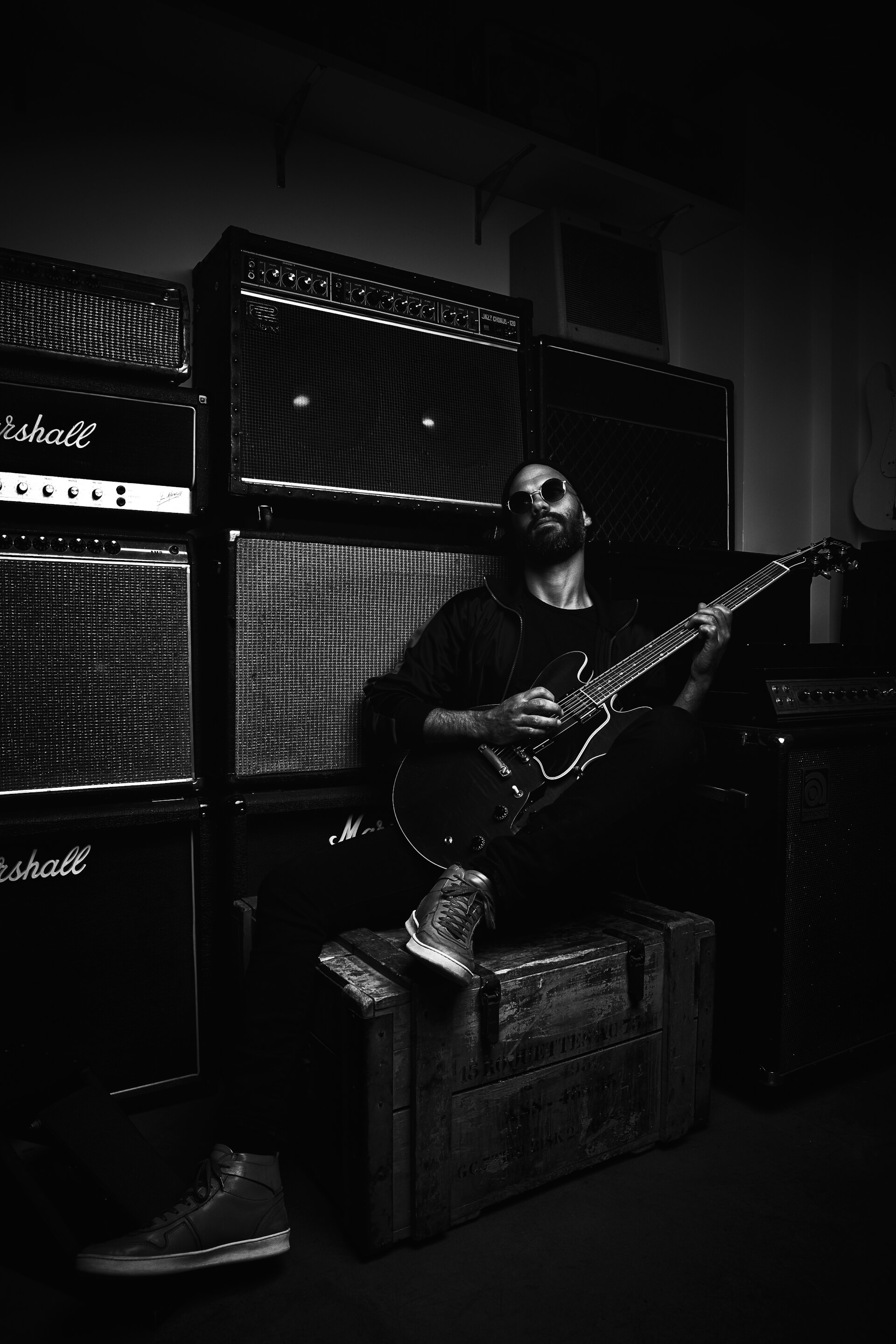
This time around, Apollo Solar Drive celebrates the trajectory of the band’s unique interstellar journey by deploying a resolutely jazzy, “funkadelic” angle to their beloved Afro-Latin music. Setenta’s band members tell their truths as a collective, with an emphasis on instrumental sections, focusing on the interweaving of multiple keyboards and guitars, while condensing the vocals to group choruses, as opposed to the solo voices of the past. The overall approach is more futuristic in its conception and realization, from the arrangements to the sonic engineering, although the rhythmic base still remains rooted in Afro-Cuban traditions as well as those of other Caribbean nations. The recording and track sequencing was done with the predetermined goal of making a vinyl record, being a calculated nod to the band’s cherished Latin jazz funk influences from the ’70’s and early ’80’s. For Setenta, the studio is once again approached as a place of powerful creativity, but with the authentic energy of an ensemble live performance being more present than ever.
The long-standing collaboration with sound engineer Jordan Kouby serves Setenta well on the sessions at Question de Son studios, as Kouby is like a “ground control” technician for the crew, knowing what they want and how to help them achieve it as they take flight, offering them guidance, expertise and the comfort of top-of-the-range equipment from the control booth. Studio A is organized around a 1975 EMI-NEVE vintage console. The vocals on eight of the tracks were recorded at Studio Prado by Pierre Dachery, in the same Paris neighborhood of Strasbourg–Saint-Denis where the instrumental tracks were laid down. The album was then mixed at Studio B of Question de Son by Setenta’s “mixologist”, Jordan Kouby, with mastering by Mickael Rangeard, also in Paris.
— Pablo E. Yglesias (DJ Bongohead) of Peace & Rhythm, with contributions from Osman, Jr.